الوصف الوظيفي:The Palestinian Family Planning & Protection Association (PFPPA) invites qualified consultants to submit proposals to conduct an evaluation of its project entitled “Provision of Health and Medical Services for Women and Children Affected by the Crisis in the West Bank.”
1. Background and Context
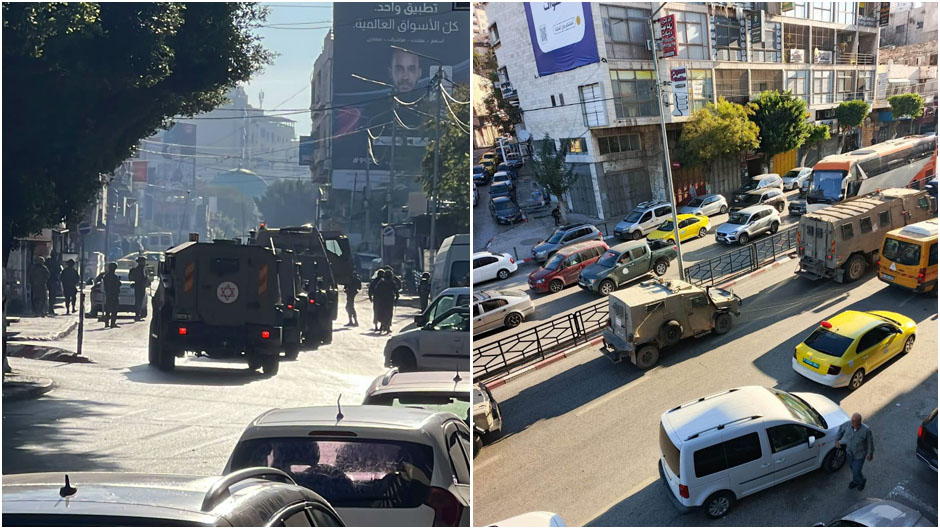
The West Bank is experiencing a severe and constantly changing humanitarian crisis, characterized by escalating violence, movement restrictions, and systematic barriers to healthcare. Between October 2023 and May 2025, the World Health Organization documented 791 attacks on healthcare, with over 849 permanent or intermittent movement obstacles severely obstructing access to essential services. This situation has left over 230,000 women and girls with limited or no access to reproductive health services. The targeted governorates of Hebron and Bethlehem are particularly affected, facing high rates of settler violence, land seizure, and closures that cut off entire communities from primary and secondary care. In this context, women and girls, especially those in marginalized and hard-to-reach areas like Area C, face heightened risks of maternal mortality, unintended pregnancy, and gender-based violence (GBV). The Palestinian Family Planning and Protection Association (PFPPA), a long-standing and trusted local partner, is uniquely positioned to respond to these urgent needs by providing lifesaving sexual and reproductive health and rights (SRHR) and GBV services to the most vulnerable populations.
This project, “Provision of health and medical services for women and children affected by crisis in the West Bank,” is generously funded by the People of Japan (Japanese Government) and implemented by the Palestinian Family Planning and Protection Association (PFPPA), a member association of the International Planned Parenthood Federation (IPPF) with a budget in the amount of $300,000. The project, which started on March 1st, 2026, is expected to be completed by February 28th, 2027, and is being implemented in the West Bank governorates of Hebron and Bethlehem.
2.General information about the project
Project’s Goal: To provide a comprehensive range of affordable, high-quality, and person-centred MCH care services focusing on SRHR care and prevention of and protection against SGBV in the West Bank.
Project’s objectives:
Objective 1: To provide essential lifesaving SRHR medical care and other related services to at least 22,050 beneficiaries (focusing on SRHR and SGBV) by PFPPA Service Providers in 3 Service Delivery Points (SDPs) in the West Bank during one year.
Objective 2: To provide essential lifesaving MCH care services and information to over 4,780 beneficiaries most in need (focusing on SRHR and SGBV) in humanitarian settings during one-year project in the West Bank through community outreach activities.
3. Purpose and Objectives of the Evaluation
The evaluation's primary purpose is to assess the project's performance, effectiveness, efficiency, impact, and sustainability, and to provide accountability to stakeholders, including the Government of Japan. Specifically, the evaluation will:
Measure the project's outcomes against its stated goal, objectives, and targets, including the delivery of SRHR services through static clinics and mobile health campaigns, and the "Preparing for Your Birth" sessions.
Assess the efficiency of project implementation, including the use of resources and the coordination mechanisms with partners to avoid duplication.
Identify lessons learned and document best practices—particularly regarding outreach to internally displaced persons (IDPs) and communities in Area C—that can inform future interventions.
Evaluate the sustainability of the project's impact on the community and beneficiaries, including the resilience of PFPPA's service delivery model.
Provide recommendations for future actions building on the results of the project in alignment with PFPPAs strategic framework.
Scope of the Evaluation
The evaluation will assess the project's implementation from March 2026 to February 2027, focusing on the West Bank, specifically the Hebron and Bethlehem Governorates, including marginalized areas such as Area C. The primary objectives are to evaluate the project's overall performance, identify key achievements and challenges, and provide recommendations for sustainability and long-term impact.
The evaluation will examine the following dimensions:
Relevance: Assess the extent to which the project's interventions aligned with the SRH and GBV needs of the target population, particularly women, girls, and first-time mothers in marginalized and hard-to-reach areas.
Effectiveness: Determine the degree to which the project achieved its intended objectives, including reaching 22,050 beneficiaries with SRHR services through SDPs and 4,780 beneficiaries through MCH campaigns and group sessions. Identify any unintended outcomes and their implications.
Efficiency: Evaluate the optimal use of resources (time, budget, and personnel) in project implementation, including an assessment of potential overlaps with UNFPA-supported activities and other initiatives in the targeted areas.
Sustainability: Analyze the likelihood of continued benefits post-project, including existing mechanisms for continuation, replication, adaptation, or scaling up. Assess the measures taken to ensure long-term impact and community ownership, including the role of youth volunteers and local partnerships.
Impact: Examine both the immediate and long-term effects of the project on the target population, with a particular focus on GBV prevention and response (including CMR and PSS), improved SRH outcomes, and increased awareness of safe pregnancy and delivery practices.
4. Evaluation Criteria and Key Questions
The evaluation will be structured around key questions that correspond to the five evaluation criteria to include, not necessarily be limited to:
Relevance:
To what extent did the project's interventions address the SRH and MCH needs of the target population, particularly women and girls in Hebron, Bethlehem, and Area C?
How effectively did the project reach the most vulnerable groups, including IDPs and first-time mothers?
Effectiveness:
To what extent did the project achieve its original objectives, including the target of 22,050 beneficiaries through SDPs and 4,780 beneficiaries through outreach activities?
What impact has the project had on target groups and communities, particularly in improving SRH services, reducing GBV, and enhancing knowledge of safe pregnancy and delivery?
What strategies and activities (e.g., static clinics, mobile campaigns, "Preparing for Your Birth" sessions, digital/remote service provision) were most effective, and which were less successful? Why?
Efficiency:
Were financial, human, and logistical resources utilized effectively to maximize project outcomes?
Were there any overlaps with other initiatives in the targeted areas? If so, how were they managed through coordination mechanisms such as the Mobile Health Working Group (MHWG)?
Sustainability:
What mechanisms are in place to ensure the continuation of project services and benefits beyond the funding period, including the resilience of PFPPA's three SDPs?
What steps were taken to foster local ownership and long-term sustainability, including the engagement of youth volunteers and community mobilizers?
What plans exist for scaling up, replication, or adaptation of project interventions, particularly the mobile health campaign model and the "Preparing for Your Birth" sessions?
Impact:
To what extent did the project contribute to improved access to, and quality of, SRH, MCH and GBV services for the target population, and what contribution did it make to intended outcomes related to maternal and neonatal health and GBV prevention and response?
How has the project contributed to raising awareness of safe pregnancy and delivery, GBV prevention and response, and improving the quality of SRH and GBV services?
Additionally, the evaluation will assess:
Human Security Lens (cross-cutting):
The evaluation will apply the Government of Japan’s Human Security framework—Protection, Empowerment, and Solidarity—as a cross-cutting lens. In addition to the criteria above, the evaluation will address at least the following questions under each pillar:
Protection: To what extent did the project contribute to protecting women, girls, and other vulnerable groups from SRH/MCH risks and GBV, including through safe and accessible services, referral pathways, and safeguarding measures?
Empowerment: To what extent did the project strengthen the capacity, knowledge, and agency of beneficiaries and communities—particularly women, girls, first-time mothers, youth volunteers, and community mobilizers—to claim SRH rights and make informed decisions?
Solidarity: To what extent did the project foster collaboration, trust, and mutual support among PFPPA, local partners, communities, and other stakeholders—including through coordination mechanisms such as the Mobile Health Working Group—to enhance outreach and sustain services in hard-to-reach areas?
The effectiveness of project planning in reaching the target population and covering the intended areas efficiently, including the referral pathways to higher-level care and protection services.
The challenges encountered (e.g., movement restrictions, security incidents) and how they were addressed.
Lessons learned and recommendations for future initiatives to replicate successes and mitigate challenges.
5. Methodology
The evaluation will employ a mixed-methods approach, which will include both quantitative and qualitative techniques to ensure comprehensive analysis:
Quantitative data: Analysis of existing project data from monitoring systems, including beneficiary numbers and service delivery statistics.
Qualitative data: Data collection through key informant interviews, focus group discussions with beneficiaries and stakeholders, and document reviews.
Sampling strategy: A representative sample of beneficiaries, service providers, and other stakeholders will be selected for interviews and discussions to capture diverse perspectives.
6. Deliverables and Timeline
The evaluator(s) are expected to deliver the following according to the timetable stated below post signing the agreement:
Deliverable
Expected Number of Workdays
Inception Report including the detailed methodology, evaluation approach, work plan, timeline, proposed meeting dates and locations, and an implementation schedule
7 Working Days
Evaluation initiation and planning
Inception report including the detailed methodology, evaluation approach, workplan, timeline, proposed meeting dates and an implementation schedule.
To be reviewed by the PFPPA team.
Feedback received from PFPPA and report approved.
16-20 Workding Days
Completion of data collection and analysis,
Draft Evaluation Report (will present preliminary findings, conclusions, and recommendations.
To be reviewed by PFPPA and feedback sent.
5 Working days
Final Evaluation Report submitted, includes an executive summary, finalized recommendations, and a section highlighting best practices Findings are expected to be shared through various formats, including, but not limited to:
Full reports and executive summaries.
Fact sheets and infographics for broader outreach.
Presentation for disseminations
2 Days
A comprehensive presentation of the evaluation outcomes—including key findings, results, and recommendations—will be delivered at either the project's closing ceremony or a dedicated stakeholder meeting
Final Presentation in front of stakeholders.
All reports should be in English and the executive summary in Arabic.
7. Expected cooperation
Evaluator(s): Responsible for literature review of existing documents including but not limited to proposal, logfrome, programmatic reports, activity reports and other means of verification, collecting data, analyzing results, and developing a final comprehensive evaluation report and delivering items noted in section 6 above.
Project Team (PFPPA): Responsible for providing documents and reports, data, facilitating access to stakeholders, and supporting field visits.
PFPPA HQ: Responsible for managing the contractual aspects, ensuring donor compliance, and facilitating communication with the Government of Japan and other stakeholders.
متطلبات الوظيفة:Evaluator/ Evaluation Team Qualifications
The evaluator/ evaluation team must meet the following criteria:
Post-graduate qualification in relevant fields (Evaluation, Social Science, Gender, Sexual and Reproductive Health)
Proven expertise in SRHR and/ Gender studies or research.
Strong expertise in evaluation
Qualitative and quantitative research and participatory research.
Experience working in Palestine in humanitarian and conflict-affected settings.
Proficiency in Arabic and English, both spoken and written.
Demonstrated ability to work in restrictive environments and navigate complex logistical challenges.
Ethical Considerations
The evaluation must adhere to strict ethical standards, including:
Informed consent: All participants must be fully informed of the purpose of the evaluation and their rights.
Confidentiality: Personal data and sensitive information must be handled with the utmost confidentiality.
Safeguarding: Ensuring the safety and well-being of vulnerable participants, particularly in contexts involving GBV and SRHR issues.
تفاصيل الوظيفة:المسمى الوظيفي: Consultant to Evaluate a Project
آخر موعد للتقديم: 30.11.2026.
المكان: الخليل، بيت لحم
طبيعة العمل: مكتبي أو ميداني (مقر العمل)
نوع الوظيفة: العقود والاستشارات
المستوى المهني: متوسط الخبرة
الدرجة العلمية: الماجستير
الخبرة: 5 سنوات
التصنيف: العلوم الاجتماعية والدراسات المجتمعية الطب، التمريض، الصيدلة، والصحة العامة العلوم والبحوث
آلية التقديم:Those interested must submit an application file including:
Curriculum Vitae: A detailed CV, including three references for similar work and, where applicable, examples of similar work.
Technical proposal: A description of the proposed methodology, sampling size and target, and a weekly timeframe defining milestones for the services, including the estimated level of effort in workdays.
Financial proposal (maximum 1 page):
Cost breakdown: A detailed offer that covers all costs of completing the review in its final deliverable form, broken down by working days and including personnel, travel, and materials expenses. PFPPA will not be responsible for any costs beyond those agreed in the signed contract with the assigned review team. The detailed budget breakdown must be submitted and approved before activities begin.
VAT: The price offer must include Value Added Tax (VAT). If PFPPA contracts an individual who is not registered with the VAT department, that individual is solely responsible for paying all related dues to the department, with no liability on PFPPA.
Income tax: A valid income tax at source certificate issued by the Palestinian Income Tax Department is required before the contract is signed. If it is not submitted, income tax will be deducted from each payment at the rate set by the income tax law, and PFPPA will transfer the deducted amount to the Palestinian Income Tax Department.
Note: The successful candidate will be responsible for covering the advertisement.
All offers are to be sent by email no later than November 30th as follows:
State in Subject Line: “PFPPA-JSB Evaluation Review consultant offer- your name/ Firm name”
To be sent directly to:
jobs@pfppa.orgFor any further information please contact:
Program’s director at:
issa.r@pfppa.org Telephone number: +972 2 6280630 extension: 107 (Tuesday – Thursday and Saturday- Sunday between 8:30 am -3:30 pm)
 بعيداً عن الحليب.. 5 أطعمة تساعد على تقوية العظام





 22/ 13
 أسعار العملات